How Many Hours of Wedding Photography Do You Actually Need?
One of the biggest questions couples have when looking at wedding photography packages is how many hours of coverage they actually need.
Is six hours enough? Is eight the safer choice? Do you really need a photographer for ten hours?
There isn't one answer that works for every wedding.
When I'm helping a couple figure out coverage, I typically start with two things: what time is your ceremony, and what parts of your wedding day are important to you to have photographed?
From there, we can work backward and build a timeline that makes sense for your actual day.
Your ceremony and reception times matter. The number of locations matters. The size of your wedding party matters. Whether you're doing a first look matters. And yes, whether you want that grand exit photographed at 10 PM matters too.
So instead of choosing a number of hours just because it sounds like enough, here's what I recommend thinking about.
Is 6 Hours of Wedding Photography Enough?
Six hours can absolutely be enough for some weddings.
But six hours moves quickly.
If you're having a fairly traditional wedding and want everything from getting ready through a good portion of the reception photographed, six hours can start to feel tight.
It tends to work best when most, if not all, of the day is happening in one place. If you're getting ready at your venue, having your ceremony there, and walking straight into cocktail hour and your reception without having to travel anywhere, you're already saving a significant amount of time.
It also helps to have a smaller wedding party. Photographing three bridesmaids and three groomsmen is very different from organizing and photographing eight on each side.
Sample 6-Hour Wedding Photography Timeline
2:00 PM — Photography coverage begins + details
2:20 PM — Getting dressed
2:45 PM — First look + couple portraits
3:15 PM — Wedding party portraits
3:45 PM — Hide away before ceremony
4:00 PM — Ceremony
4:30 PM — Family portraits
5:00 PM — Just-married portraits
5:30 PM — Reception entrance + first dances
6:00 PM — Dinner
6:45 PM — Toasts + cake cutting
7:00 PM — Open dancing
8:00 PM — Photography coverage ends
Can it work? Yes.
Would I use this exact timeline for every six-hour wedding? Definitely not.
This is a quick timeline without a lot of room for things to run behind. It makes the most sense when everything is happening at one location, the wedding party is on the smaller side, and there isn't a huge list of formal family photos.
If your wedding party is eight bridesmaids and eight groomsmen, your ceremony is longer, or we have to travel between locations, we're going to need more time.
And that's before accounting for the things that inevitably happen on a wedding day.
Hair and makeup runs behind. Someone can't find their shoes. Dad disappears right when it's time for family photos. The party bus takes longer than expected.
A timeline needs a little room to breathe.
Something Usually Has
to Give With 6 Hours
This is probably the biggest thing I want couples to understand about shorter photography coverage.
If you only have six hours, you may have to decide where you want those six hours.
I've had brides who didn't really care about having the getting-ready portion of their day photographed. That's completely fine. We can start later and use those hours during the reception instead.
On the other hand, you might really want the end of hair and makeup, getting into your dress, photos with your bridesmaids, and all of those moments before the ceremony.
In that case, coverage needs to begin earlier, which means it also ends earlier.
Neither choice is wrong.
It's about deciding which parts of the day matter most to you.
Why 8 Hours Works for So Many Weddings
Eight hours is my most commonly booked amount of coverage.
A pretty typical eight-hour wedding for me might be 1:00–9:00 PM with a ceremony around 3:00 PM.
That gives us time before the ceremony for things like finishing touches of hair and makeup, getting into your dress, a first look, portraits, and separate wedding-party photos.
Then we still have the ceremony, family photos, couple portraits, cocktail hour, and plenty of reception coverage.
If you're planning a mock exit, we can also usually work that into the evening. For example, with coverage ending at 9:00 PM, we might plan the mock exit around 8:30 once it's completely dark.
Everyone participates, you get the exit photos you wanted, and then your guests can head right back inside and keep partying.
Just know that you may lose a few people to the exit. Once some guests see an exit happening, they may decide that's their cue to head home.
A First Look Can Give You a Lot More Flexibility
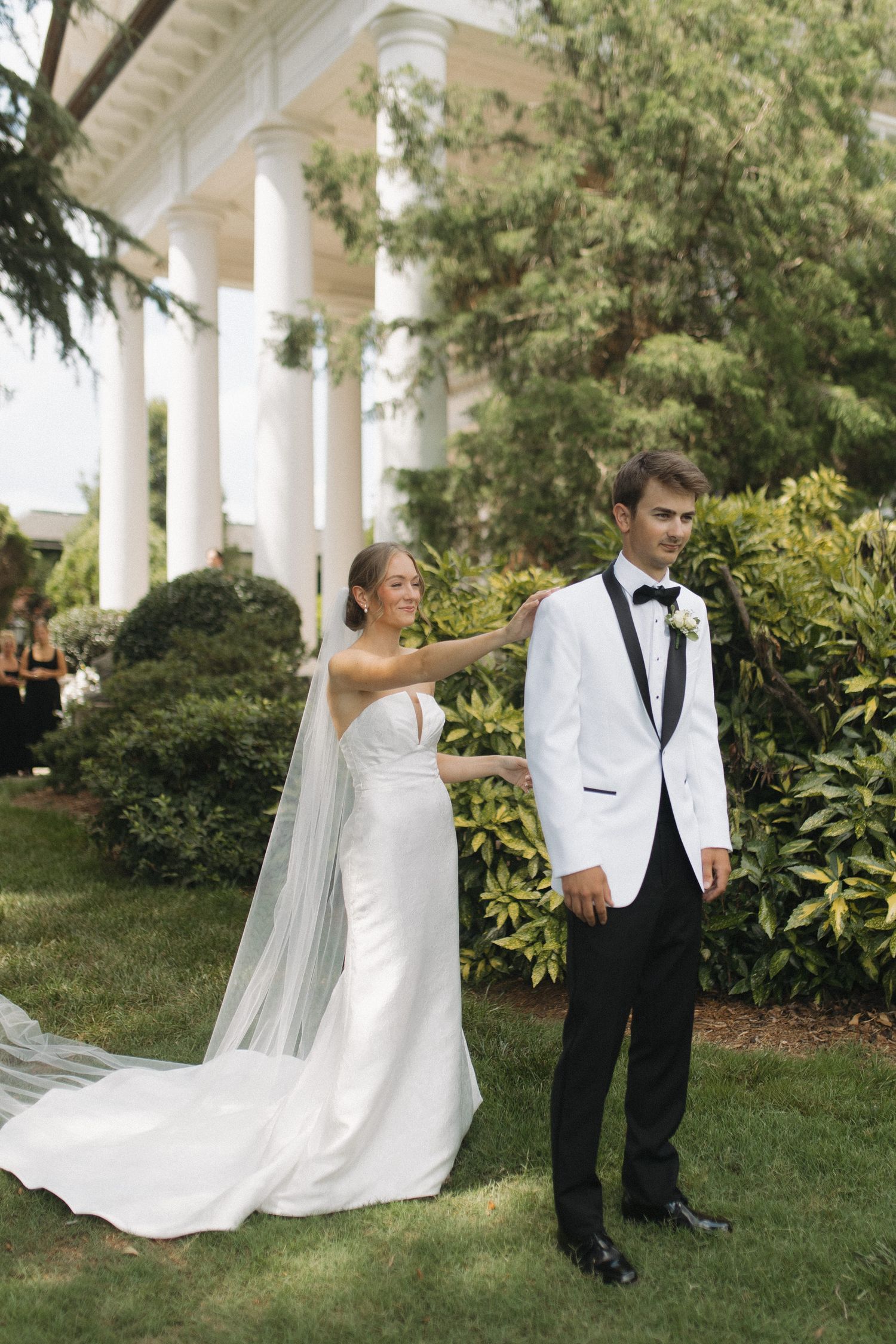
I love a good first look, especially when we're trying to make the most of your photography coverage.
It isn't just about getting photos of the two of you seeing each other.
A first look allows us to accomplish much more before the ceremony.
Depending on your plans, we can photograph the two of you, your wedding party, and even some or all of your formal family portraits before guests arrive.
That means after your ceremony, we aren't trying to squeeze every single portrait into the small window before your reception.
If you don't want a first look, that's completely okay too.
It just means we need to account for the fact that family portraits, the full wedding party, and your couple portraits will generally need to happen after the ceremony.
And if we're also traveling from your ceremony to your reception venue, that time needs to be accounted for too.
Don't Forget About Travel Time
This is one of the easiest things to underestimate when you're looking at photography coverage.
Let's say you're getting ready at a hotel, your partner is getting ready somewhere else, you're getting married at a church, and your reception is at a separate venue.
Those aren't just four locations. They're four locations that we have to get ourselves, our gear, and potentially your wedding party between throughout the day.
And I don't use the exact travel time Google Maps gives me when I'm building a wedding timeline. If Maps says it takes 20 minutes, I want to give us at least 30.
Depending on the route, I may build in even more. Traffic happens. Highways back up. Sometimes taking back roads makes more sense. Parking and actually getting into the venue also take time.
Those extra minutes add up quickly.
If you're getting ready, having your ceremony and celebrating your reception all at one venue, six hours becomes much more realistic.
If all three are in different places, I'd strongly consider more coverage.
Getting Ready in Separate Locations Changes Things Too
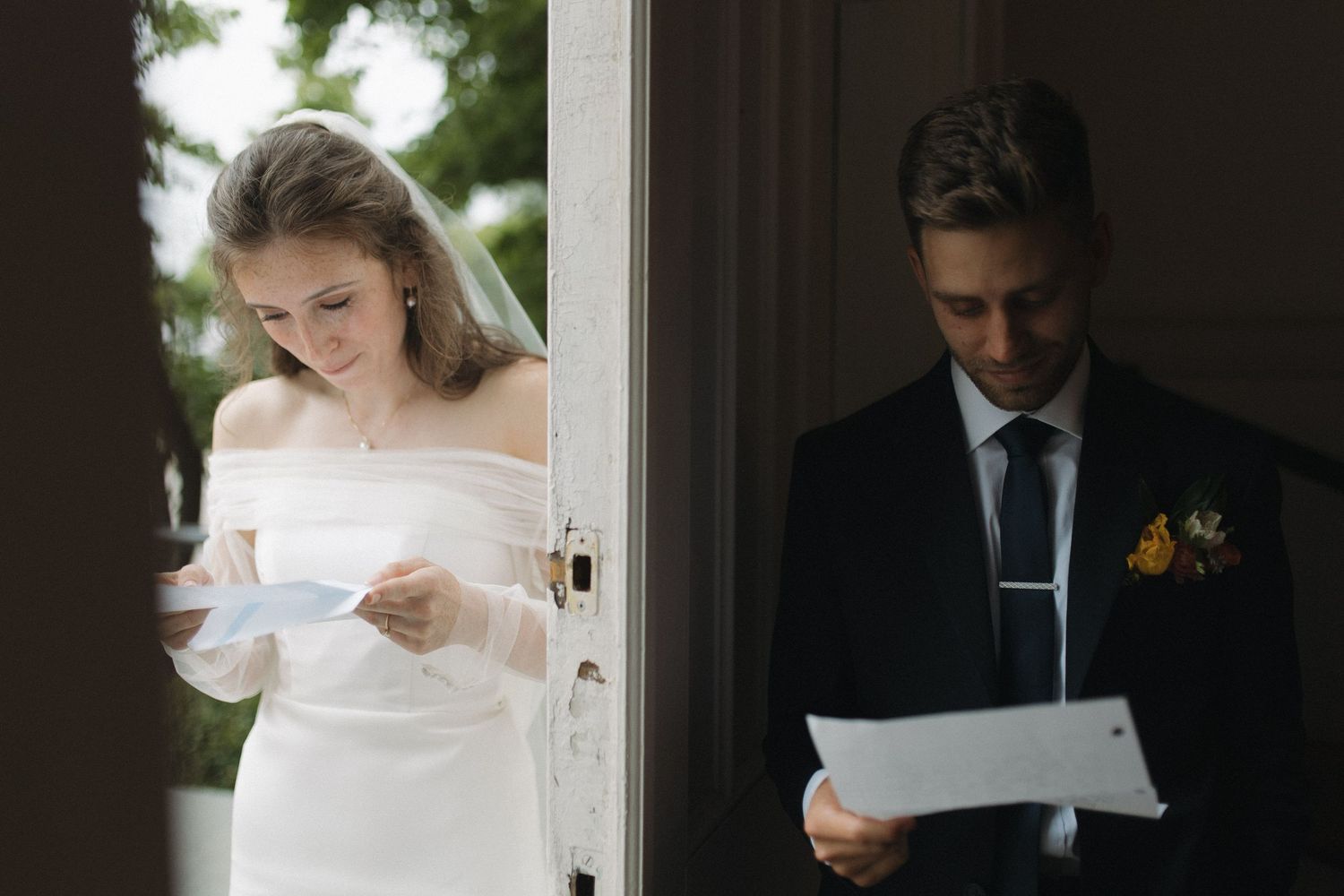
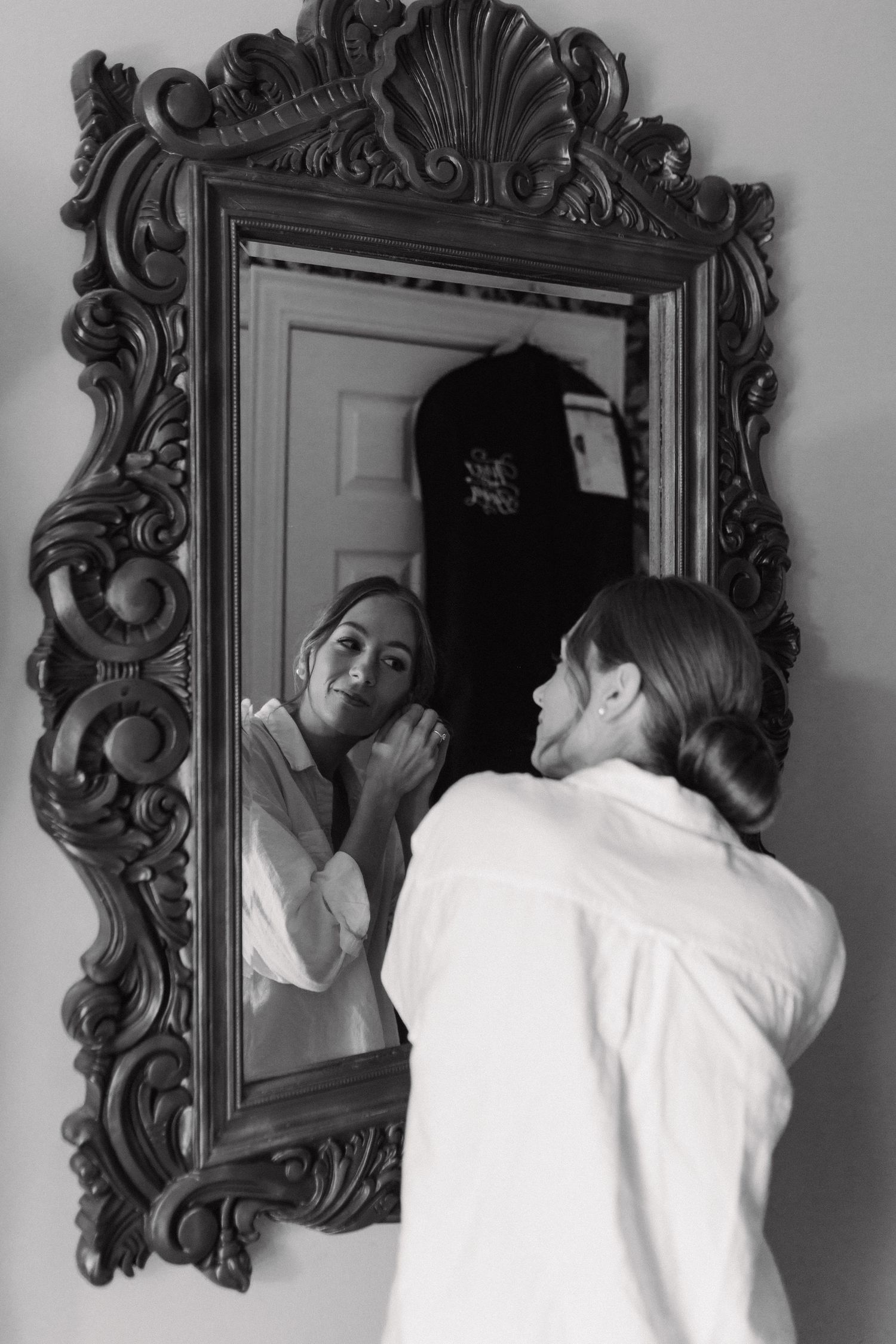
If you and your partner are getting ready in two completely separate locations and you want both photographed, that's another reason I may recommend at least eight hours.
With one photographer, I physically can't be in two places at once.
A second photographer can make a shorter photography timeline more efficient because we can split up and photograph both sides of the day at the same time.
Whether you actually need a second photographer is a whole other conversation, though, so we'll save that one for another post.
Keep Your Formal Family Photo List Realistic
Family photos can take more time than couples expect, especially immediately after the ceremony.
People disappear.
Someone goes to cocktail hour. Grandma went to the bathroom. An uncle started talking to someone. Suddenly we're standing around waiting for one person while your reception timeline keeps moving.
I always recommend choosing a family wrangler from each side. A sibling, cousin, or someone who knows the family well is perfect.
Their job is basically to help find whoever we need next.
For the formal family portraits, I generally recommend focusing on immediate family and adding maybe three or four additional people who are especially important to you.
That doesn't mean you can't have photos with everyone else.
We can grab extended family members, cousins, friends, and other groups during the reception without trying to turn the formal portrait portion of your day into a giant family reunion photo session.
When I Recommend 10+ Hours of Wedding Photography
If you want to make sure every part of your wedding day is documented, that's when I'd start looking at ten hours or more.
That might include:
- Both partners getting ready
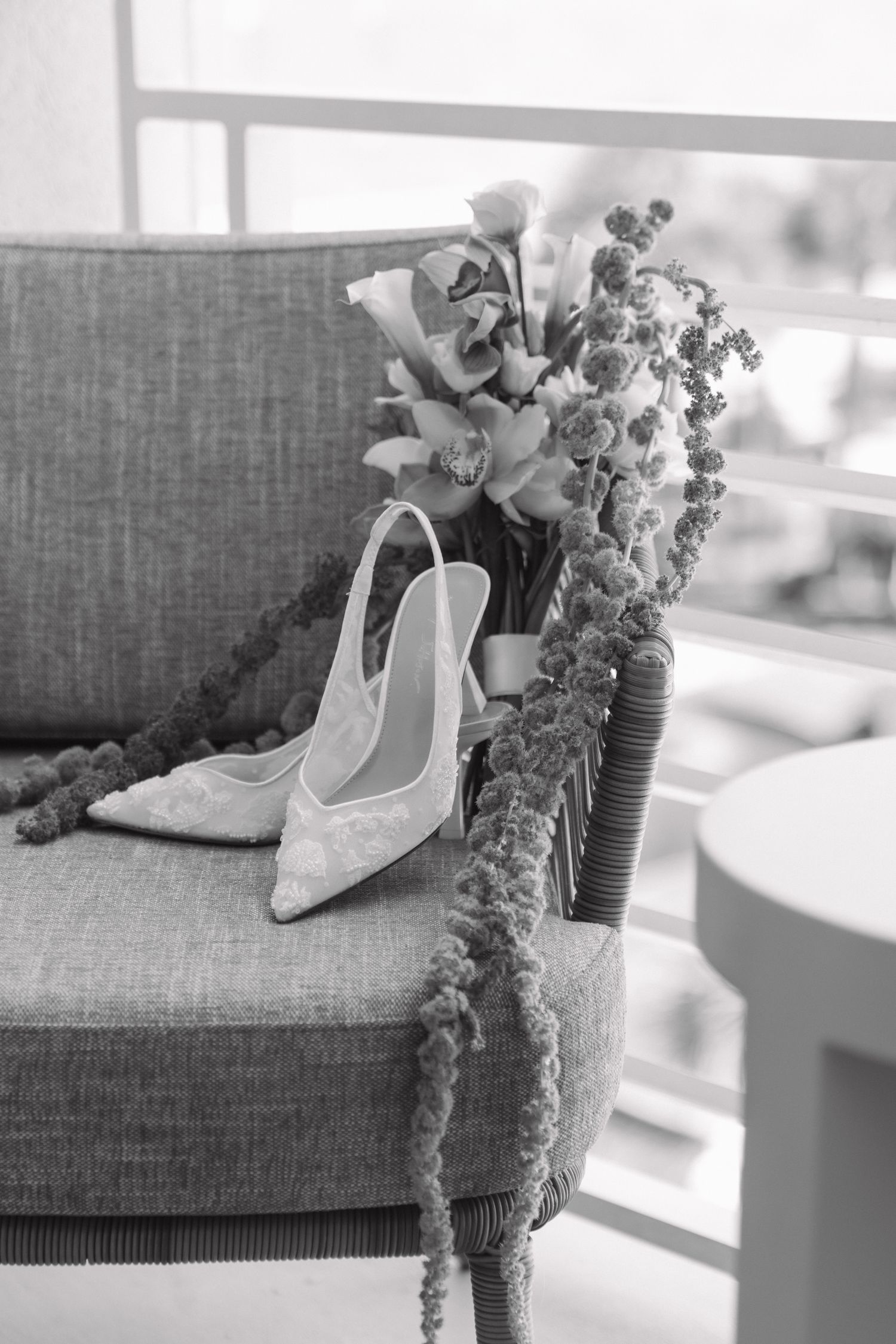
- Wedding details
- Getting into your dress
- Wedding party photos
- A first look, if you're doing one
- Ceremony
- Formal family portraits
- Full wedding party portraits
- Couple portraits
- Cocktail hour
- Reception events
- Dancing
- An exit
Ten hours can also make much more sense when there are multiple locations involved, or you have an earlier ceremony.
Some religious ceremonies, for example, may need to happen earlier in the day. If your ceremony begins at 1:00 PM but your reception doesn't start until 5:00 or 6:00 PM, you've already used four or five hours just getting from the beginning of the ceremony to the beginning of the reception.
That's very different from a wedding where the ceremony begins at 4:00 and cocktail hour starts at 4:30 in the same building.
Do You Need Your Photographer Until the Very End of Your Reception?
Usually? No.
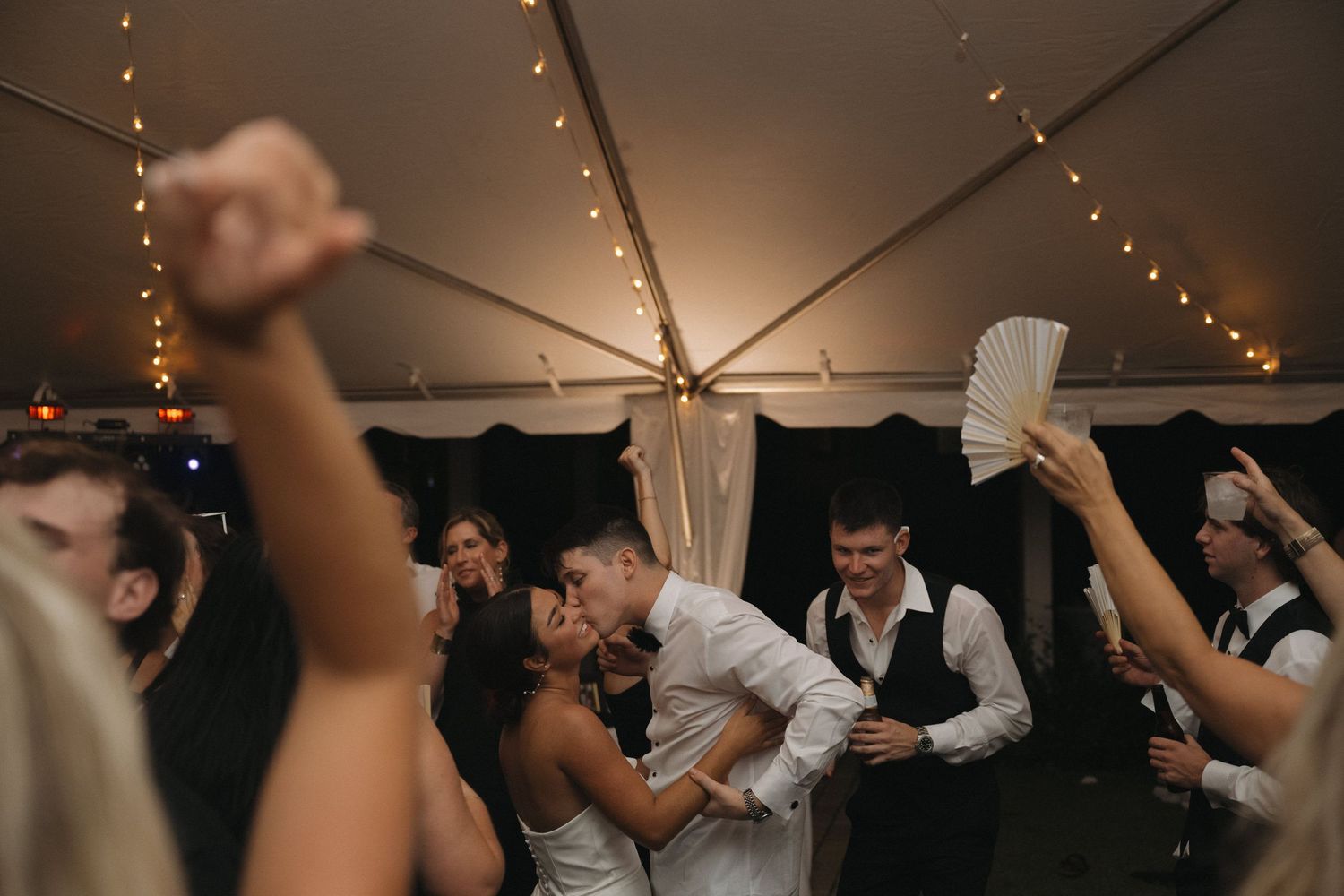
If people are actually out on the dance floor, an hour or two of dancing is generally plenty of time for me to capture that part of your reception.
You don't necessarily need to pay for another two hours of photography just so I can photograph the same people dancing at 9:00, 9:30, 10:00, and 10:30.
The exception is when something is happening later that you specifically want documented.
A grand exit is the obvious example.
If your actual exit isn't until 11:00 PM and having those photos is important to you, then yes, we need coverage until 11:00.
But you can also consider a mock exit earlier in the evening. Get everyone involved, take the photos, and send everybody straight back to the dance floor afterward.
So, How Many Hours of Wedding Photography Do You Need?
Start with what you actually want photographed, not the package.
That's the basis of every photography timeline I create.
What time is your ceremony? Where are you getting ready? Are you getting ready in separate places? Is your ceremony somewhere else? How big is your wedding party? Are you doing a first look? Which family portraits matter to you? What reception events do you want photographed? Are you planning an exit?
Once I know those things, I can work backward from your ceremony and help determine how much time we realistically need.
Six hours can work beautifully for a streamlined wedding, especially when everything is happening in one place, and you're okay prioritizing certain parts of the day.
Eight hours gives us more breathing room and works well for many traditional wedding days, which is why it's my most commonly booked amount of coverage.
Ten hours or more makes sense when you want the full day documented, have multiple locations, an earlier ceremony, more travel, or simply don't want your timeline built down to the minute.
More hours aren't automatically better.
The goal is to have enough time for the wedding you're actually planning.
Not sure how much coverage your wedding needs?
Tell me what you're planning, and I'll help you figure out what makes the most sense for your day.